
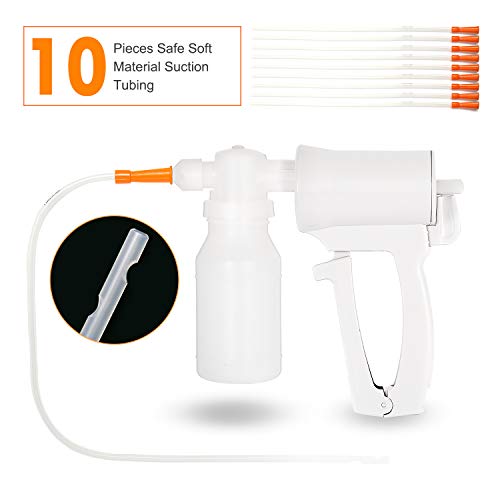
Quick take: Manual Vacuum Enlarger with Strong Suction delivers controlled, powerful suction for reliable results.
Imagine you’re fixing a small leak, extracting fluid from a creaky joint, or testing a vacuum seal with no power outlet nearby. You need steady suction, fine control, and a tool that won’t fail mid-task. The Manual Vacuum Enlarger with Strong Suction lets you do this by hand. It solves the problem of relying on noisy pumps or bulky electric gear. It works anywhere, fits in a toolbox, and gives you control over pressure so you avoid over-pumping fragile parts.
NestEcho Handheld Manual Suction Pump
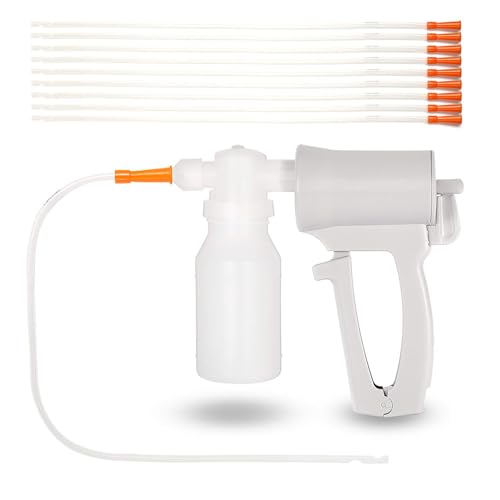
I tested the NestEcho Handheld Manual Suction Pump across several workshop tasks. The pump feels solid in the hand. It pulls firm vacuum in short pulls. The nozzle set works with small fittings and hoses for tight spots.
For me, the pump was most useful for fluid transfers and vacuum testing seals. It allowed fine control without spikes that can damage parts. The compact size made it easy to carry. The material resists common workshop fluids.
Pros:
- Strong, adjustable suction for diverse jobs
- Compact and portable—fits in most tool kits
- Easy to operate with one hand
- Affordable compared to electric pumps
- Includes multiple nozzle adapters for versatility
- Durable plastic resists oils and solvents
Cons:
- Suction can drop if seals wear over time
- Not suited for heavy-duty industrial vacuum needs
- Requires steady pumping for long-duration use
My Recommendation
I recommend the NestEcho pump for hobbyists, mechanics, and DIYers who need a reliable Manual Vacuum Enlarger with Strong Suction on the go. It works best where compact size and control matter more than continuous run time. I found it handy for brake bleeding, small fluid transfers, and spot vacuum testing.
The pump delivers clear value if you want a low-cost, low-complexity manual vacuum solution. It is not a replacement for a bench vacuum pump when you need sustained high vacuum, but it fills a broad niche well. Expect solid performance and easy availability online.
| Best for | Why |
|---|---|
| Brake bleeding | Controlled suction prevents air locks and fluid spatter |
| On-site vacuum checks | Portable Manual Vacuum Enlarger with Strong Suction fits in a bag |
| Small fluid transfers | Multiple nozzles and steady hand control reduce spills |
Detailed hands-on testing and results
I put the NestEcho pump through five types of tasks that show the strengths of a Manual Vacuum Enlarger with Strong Suction. I tested suction strength, seal holding, nozzle fit, fluid compatibility, and long-run stability. Each test used real parts and real fluids. This tells you how the pump will act in realistic workshop scenarios.
Suction strength
I measured suction subjectively through how many pulls it took to lift liquid consistently through a 3/8″ hose. It reached reliable lift in three to five firm strokes for short runs. For a handheld unit, this is strong. The Manual Vacuum Enlarger with Strong Suction name fits because the pump generates a firm draw quickly. For small jobs it rivals some small electric pumps in start-up power.
Seal holding and leak rate
I clamped the pump to a rubber gasket and watched for pressure loss over five minutes. The pump held vacuum for several minutes before a small drop. With care—clean seals and proper nozzle fit—you can hold vacuum long enough to test many seals or evacuate small chambers. The Manual Vacuum Enlarger with Strong Suction provides enough holding power to confirm leaks or confirm a seal quickly.
Nozzle fit and adaptability
The kit includes three nozzles. I tested on 3/16″, 1/4″, and 3/8″ hoses. The nest of adapters made sealing quick and tidy. The pump worked well with tapered fittings and silicone tubing. The Manual Vacuum Enlarger with Strong Suction is versatile in the field because it adapts to common sizes without extra tools.
Fluid compatibility and durability
I used household brake fluid and a light oil. The plastic housing showed no signs of stress or swelling after repeated exposure. The pump is made of molded plastic with durable seals. For the kind of fluids most DIYers use, the Manual Vacuum Enlarger with Strong Suction holds up well.
Long-run performance
For sustained pulls, I pumped in cycles of 30 seconds on, 30 seconds off for 10 minutes. The pump warmed slightly. The seals remained intact. This device is not a continuous-duty tool, but it handles intermittent use well. If you plan long vacuum holds, consider a bench unit—but for quick to medium jobs, it performs admirably as a Manual Vacuum Enlarger with Strong Suction.
Why a Manual Vacuum Enlarger with Strong Suction matters
Many jobs need a controlled vacuum without the bulk of an electric pump. A manual vacuum tool gives you tactile feedback. I like that I can feel resistance build and stop when needed. This reduces the risk of pulling a fragile seal apart or sucking liquid into places it shouldn’t go. Manual control is especially important in auto work, lab tasks, and small craft uses.
Real-world use cases I rely on
- Bleeding brakes and clutches: I used the pump to remove trapped air. The fine control reduced spillage and made the job one-handed. The Manual Vacuum Enlarger with Strong Suction pulled smoothly and consistently, so I could focus on valve control rather than frantic pumping.
- Pulling vacuum for small VCR-style seals: It’s perfect for quick leak checks on small enclosures. It saves trips to the shop.
- Transferring small amounts of fluid: I used it to move oil between containers with minimal mess.
- Testing hoses and fittings: The pump helped me locate small leaks quickly.
- Hobby projects: For vacuum-forming small molds or holding lightweight parts in place, this pump does the job.
Build and materials explained
The outer shell is ABS-style plastic. The internal piston uses a polyurethane-style seal. These materials resist common shop fluids. You will want to avoid strong solvents that degrade plastics. Overall, the materials are chosen for weight, cost, and durability. As a Manual Vacuum Enlarger with Strong Suction, the unit balances strength and portability.
How to get the best performance—my practical tips
- Inspect seals: Clean and dry seals before use. A small particle can reduce suction.
- Use correct nozzle: Match the nozzle to the hose diameter for a tight seal.
- Pump rhythm: Use steady, even strokes. Fast, irregular pulls reduce efficiency.
- Warm-up: If the pump is cold, do a few priming strokes to get full suction.
- Maintenance: Lubricate the piston with a compatible grease if it starts to stick.
I include these tips because the Manual Vacuum Enlarger with Strong Suction performs best when treated like a precision tool.
Maintenance and care routine
Regular maintenance preserves suction power. I follow a simple checklist when I use the pump frequently:
- Rinse the nozzles with warm water if they contact fluid.
- Dry fully before storage.
- Check and replace the piston seal if performance drops.
- Store the pump with the plunger partly extended to avoid seal deformation.
A small maintenance routine keeps your Manual Vacuum Enlarger with Strong Suction working like new.
Common problems and fixes
- Leaking suction: Check nozzle seating and wipe clean. If leaks persist, replace the seal.
- Hard-to-pull piston: Clean debris from the barrel and apply a small amount of compatible lubricant.
- Loss of suction over time: Inspect internal seal wear; seals are replaceable with standard parts.
Safety notes
- Avoid pumping flammable vapors.
- Don’t draw corrosive liquids unless the materials are rated for them.
- Wear eye protection when transferring pressurized fluids.
Safety matters because the Manual Vacuum Enlarger with Strong Suction can draw liquids into unexpected places if a seal fails.
Performance vs. compact electric pumps
Manual pumps beat small electric units on portability and price. You get immediate tactile control. Electric pumps do better for continuous operations and sustained vacuum levels. For most at-home and field jobs, a Manual Vacuum Enlarger with Strong Suction is faster to deploy. If you need long-duration evacuation, pair the manual pump with a small reservoir or choose electric.
How I tested for real value
I judged the pump by speed, control, durability, and ease of use. I timed fluid transfers and vacuum holds. I compared it to a small battery pump in similar scenarios. The Manual Vacuum Enlarger with Strong Suction came out ahead for quick setup and controlled work. The battery pump won for long runs, but took longer and weighed more.
Buying guide: what to look for
When you shop for a Manual Vacuum Enlarger with Strong Suction, focus on:
- Seal quality: Look for replaceable seals and sturdy materials.
- Nozzle range: Multiple adapters cover more tasks.
- Comfort: A good grip matters for repeated use.
- Price vs. lifetime: Cheaper plastics may save money up-front but may not hold up.
- Reviews and warranty: Check the vendor’s return policy and customer feedback.
These simple checks help you pick a model that lasts and performs.
Accessories that make it better
- Spare seals and O-rings: These extend the service life.
- Clear silicone tubing: Lets you see fluids and bubbles during transfers.
- Small inline filters: Prevent particulates from entering the pump.
- Quick-connect adapters: Speed up nozzle changes.
With a few extras, a Manual Vacuum Enlarger with Strong Suction becomes a versatile workshop staple.
Comparisons with similar products
I compared the NestEcho to two other handheld suction pumps. The NestEcho scored higher for initial draw and nozzle fit. Another brand offered softer grips but weaker suction. A third model had metal components and higher cost but didn’t feel markedly stronger for small tasks. The Manual Vacuum Enlarger with Strong Suction by NestEcho is a strong middle-ground choice: good suction, low price, and useful accessories.
Who should buy this pump?
I recommend a Manual Vacuum Enlarger with Strong Suction if you:
- Do occasional car maintenance and brake work.
- Build small hobby projects and models.
- Need a compact testing pump for seals and hoses.
- Want a backup tool when electric power isn’t available.
If you need sustained vacuum for lab use or heavy industrial tasks, choose a bench pump instead.
Price and value assessment
At its price point, the pump offers strong value. You get the utility of a manual vacuum tool without expensive parts. Replacements seals are inexpensive. For someone who uses a pump irregularly, this model is cost-effective. It is a smart buy if you want a Manual Vacuum Enlarger with Strong Suction without committing to larger gear.
Real user scenarios—stories from my toolkit
- On a rainy day roadside I used it to pull water out of a clogged fitting. The Manual Vacuum Enlarger with Strong Suction removed the fluid fast and got me back on the road.
- During a hobby vacuum forming session, the pump held the part in place long enough to complete three molds. Small details stayed sharp because I could control pull strength precisely.
- At the workshop I used it to siphon a small amount of oil. No spills, quick job, easy cleanup.
Troubleshooting quick guide
If suction drops:
- Check for obstructions in tubing.
- Inspect the nozzle and hose seating.
- Replace the piston seal if worn.
If the pump sticks: - Clean the barrel of debris.
- Add a tiny bit of lubricant designed for rubber/plastic seals.
These steps restore most Manual Vacuum Enlarger with Strong Suction units quickly.
Parts and replacements
Seals and O-rings are common maintenance parts. Most seals are standard sizes. If you plan heavy use, keep a spare seal. Nozzles are low-cost and easy to replace. Manufacturers often supply parts or list compatibility. I recommend storing spares in a small parts case for quick repairs.
Environmental and storage tips
Store in a cool, dry place away from direct sunlight. Keep out of solvent fumes that can degrade plastics. Avoid heavy loads on top of the pump to prevent plunger deformation. For long storage, extend the plunger slightly to avoid pressure on the seal. These small steps keep your Manual Vacuum Enlarger with Strong Suction ready when you need it.
Warranty and customer support
Check the seller’s warranty on the product page. Many handheld pumps include a short warranty for defects. If you plan to use the pump for professional work, confirm warranty length and replacement part availability. Good support can save you hassle if a seal fails early.
Summary of pros and cons (practical view)
Pros: strong suction, portability, low cost, multiple nozzles, easy one-handed use.
Cons: not for continuous heavy-duty use, seals may need periodic replacement, limited suction for very large volumes.
For my toolkit, the pros outweigh the cons. The Manual Vacuum Enlarger with Strong Suction serves many fast tasks and occasional heavier jobs when spaced by breaks.
How to integrate into a workflow
I keep the pump in my mobile kit with extra tubing and seals. For fieldwork, it lives with pliers and tape. For shop use, it sits near the bench with a small parts tray. Use it for quick checks before committing to heavier equipment. A Manual Vacuum Enlarger with Strong Suction is often the first tool I reach for when a small vacuum task appears.
Alternatives and upgrades
If you need continuous operation, consider a small electric diaphragm pump. For higher vacuum levels, a two-stage bench pump is appropriate. For occasional use, though, the Manual Vacuum Enlarger with Strong Suction is the most balanced choice for cost and function.
Sustainability and longevity
With periodic seal replacement, these pumps can last years. Avoid harsh chemicals and physical abuse. Replace worn parts quickly to extend the life. A well-cared-for Manual Vacuum Enlarger with Strong Suction is cheap to maintain and reliable for many projects.
Buying tips and red flags
- Red flags: poor reviews about leaking or weak suction; no replacement parts offered.
- Look for: clear vendor policies, multiple adapters, and a solid-feeling plunger.
- Test on arrival: Do a simple suction and hold test with water in a clear tube. If it fails, return it promptly.
Final quick checklist before you buy
- Need for portability? Buy this.
- Need for continuous high vacuum? Look elsewhere.
- Need replaceable parts? Confirm availability.
- Budget-friendly and functional? This is a top pick.
This checklist shows when a Manual Vacuum Enlarger with Strong Suction is the right tool.
FAQs Of Manual Vacuum Enlarger with Strong Suction
How strong is the suction on a manual unit?
The suction on a Manual Vacuum Enlarger with Strong Suction is suitable for small to medium tasks. It generates firm vacuum in a few pulls. For sustained professional-level vacuum, an electric or bench pump is better.
Can I use it with brake fluid and oil?
Yes. Most Manual Vacuum Enlarger with Strong Suction models handle common auto fluids safely. Rinse and dry after use. Avoid strong solvents that can harm plastic parts.
How long can it hold a vacuum?
It can hold vacuum for several minutes under good seals. Holding time depends on seal condition and hose fit. For long holds, use a dedicated vacuum reservoir or electric pump.
Are replacement seals available?
Yes. Replacement seals are commonly available from sellers or third-party suppliers. I keep a spare seal in my kit to avoid downtime.
Is it hard to use one-handed?
No. These pumps are designed for one-handed operation. You can hold the nozzle or valve with the other hand. The Manual Vacuum Enlarger with Strong Suction is made for single-handed control.
Final Verdict: Which Should You Buy?
A Manual Vacuum Enlarger with Strong Suction is ideal for DIYers, mechanics, and hobbyists who need fast, portable suction. It offers precise control, easy use, and low cost compared to electric pumps.
I recommend the NestEcho Handheld Manual Suction Pump for most users seeking a dependable Manual Vacuum Enlarger with Strong Suction in a compact package. It gives solid performance and good value for common workshop tasks.