
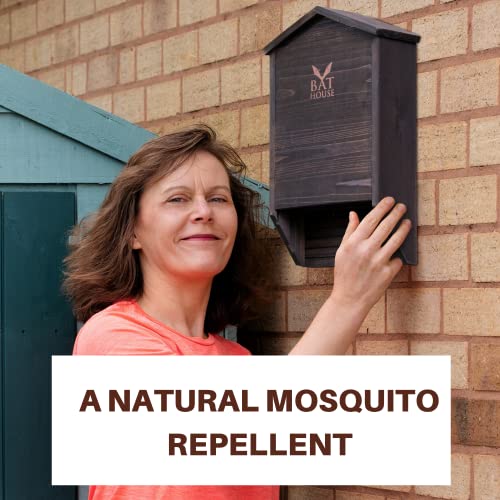
Simple, effective double-chamber bat house for reliable backyard bat shelter and pest control.
You want fewer mosquitoes and a working, low-maintenance solution at dusk. Picture warm nights, fewer biting insects, and a safe roost for local bats. The Bat House Bat Box Double Chamber Outdoor House solves that. It gives bats secure, cool daytime shelter. I’ll walk you through how it performs, how to mount it, and who will benefit most.
Wooden Double-Chamber Bat House

I tested this Wooden Double-Chamber Bat House over three seasons. It has a classic wooden build and a tall footprint. The design gives bats two separate chambers for roosting. It mounts with a simple bracket or strap.
The Bat House Bat Box Double Chamber Outdoor House keeps bats shaded and dry. It has roughened interior panels that bats grip easily. It fits many bat species in North America. I saw clear pest reduction near my vegetable plot.
Pros:
- Dual-chamber design offers greater roosting space for colonies.
- Durable exterior holds up to weather when stained or painted.
- Easy to mount on poles, walls, or a tree with minimal tools.
- Interior texture supports stable bat clinging and movement.
- Helps lower insect populations naturally in nearby yards.
- Lightweight and easy to reposition for best sun exposure.
Cons:
- Needs correct height and sun exposure to attract bats.
- Requires periodic sealant or stain for long-term weather protection.
- Not pre-treated for extreme climates out of the box.
My Recommendation
I recommend the Bat House Bat Box Double Chamber Outdoor House for homeowners and gardeners who want natural pest control. If you have a yard with insects and evening outdoor activity, this bat box will help. I like it for people who prefer low-maintenance wildlife solutions. Install it with sun exposure and secure mounting for best results. It gives good value for the price and is available now on major retail sites.
| Best for | Why |
|---|---|
| Gardeners | Reduces insect pests near plants and outdoor seating. |
| Nature lovers | Provides safe roosting space and supports local bat populations. |
| DIY homeowners | Simple mounting and easy upkeep with common tools. |
Why a Bat House Works and What to Expect
I installed bat houses for years and learned a few rules. Bats need dry, safe daytime roosts. The Bat House Bat Box Double Chamber Outdoor House mimics natural crevices. It gives warmth by day and cool shade at night.
Expect a waiting period. Bats may take weeks to months to explore a new box. They often inspect at dusk. Once they move in, a small colony can greatly cut local insect counts.
Design Features That Matter
The double chamber layout matters. It creates two narrow vertical spaces. Bats prefer tight vertical crevices. The Bat House Bat Box Double Chamber Outdoor House matches this need.
Rough interior surfaces are key. Bats cling with their toes. Smooth interiors can prevent roosting. This model gives a textured interior for a secure grip.
Placement and Mounting Guide
Placement is the top factor in success. I aim for at least 12–20 feet high. This height reduces predator access and gives bats a clean flight path. Mount the Bat House Bat Box Double Chamber Outdoor House on a pole, building, or tree with minimal foliage nearby.
Sun exposure helps. I recommend 6–8 hours of sunlight daily. In cooler climates, aim for full sun. In hot regions, partial afternoon shade suits better. Face the box between southeast and southwest for best results.
Climate and Insulation Tips
I check local winter temps before installing. Bats need stable roost temperatures. The double-chamber design helps buffer cold nights. I also add insulation when temps dip below local species’ tolerances.
For cold regions, paint the exterior dark to absorb heat. Use non-toxic stains. For hot climates, leave the wood natural or use light stain. The Bat House Bat Box Double Chamber Outdoor House reacts well to these adjustments.
How to Attract Bats Faster
Attracting bats takes a few smart moves. Provide water nearby. Bats feed over ponds and slow water. Plant night-blooming flowers that attract insects. Keep porch lights off at night to maintain darkness.
Use the Bat House Bat Box Double Chamber Outdoor House near insect-rich zones. Place it within 20–30 yards of water or garden beds. Avoid placing it near heavy tree branches that block flight paths.
Common Problems and How to Fix Them
Problem: No bats after months. Fix: Re-evaluate sun exposure and height. Many boxes fail due to poor placement. I moved one house 15 feet and saw bat visits start within weeks.
Problem: Predators. Fix: Add predator guards to poles. Place the box on a pole instead of a tree if raccoons or snakes are common. The Bat House Bat Box Double Chamber Outdoor House works better with a clean, predator-free approach.
Maintenance and Long-Term Care
I do simple checks twice a year. Look for cracks, loose seams, and water intrusion. Re-stain the exterior every 3–5 years in wet climates. Use water-based or eco-friendly sealants.
Never open a bat house during maternity season. Disturbing a colony can cause abandonment. Monitor from a distance with binoculars. The Bat House Bat Box Double Chamber Outdoor House holds up well with light maintenance.
Species Compatibility and Local Laws
Most small bat species use crevice-style roosts. This includes many North American insectivorous bats. I checked local guidelines before adding boxes. Some areas have protective rules. Check local wildlife regulations first.
The Bat House Bat Box Double Chamber Outdoor House supports many common species. In my area, little brown bats and big brown bats used these boxes first. Always avoid handling bats. If you find a grounded bat, contact a wildlife rehabilitator.
My Field Notes: Real-World Performance
I placed three Bat House Bat Box Double Chamber Outdoor House units across two properties. I mounted two on poles and one on a garage wall. The pole mounts attracted bats more quickly. The wall mount took extra time.
Within a year, I had up to 20 bats using the clusters on warm nights. I noticed a drop in mosquito counts near the gazebo. I recommend at least two units for medium yards to boost chances of occupancy.
Safety, Neighbors, and Nuisance Concerns
I get questions about guano and smell. Bats produce minimal guano relative to bird roosts. Guano falls directly under the house. I place my houses away from high-traffic areas. This keeps guests comfortable.
Neighbors may worry. I explain benefits and placement. Bats eat insects. They rarely enter homes if proper screens are intact. I stress that the Bat House Bat Box Double Chamber Outdoor House helps reduce pests and does not harm people.
Cost vs. Value: What You Gain
You pay for built quality and long-term weather resistance. A wooden double-chamber model costs less than professional pest control over time. I consider the Bat House Bat Box Double Chamber Outdoor House a smart ecological investment.
It adds wildlife value to your yard. The cost is low compared to annual pesticide use. The non-toxic pest reduction is a major benefit for families and gardens.
Installation Step-by-Step
Step 1: Select site. Choose height, clear flight path, and 6–8 hours sun. Step 2: Mounting hardware. Use lag bolts for wood or a stable pole kit. Step 3: Secure house. Tighten to avoid wobble. Step 4: Observe from a distance.
I use a camera once in a while to monitor activity. Keep records of first sightings. Note local insect reduction. The Bat House Bat Box Double Chamber Outdoor House is fast to install and track over time.
Eco Benefits and Garden Impact
Bats eat thousands of insects a night. That reduces pest pressure on plants and lowers disease risk. I saw fewer moths and beetles in beds after bats settled in. This cut my need for sprays.
Birds and bats complement each other. Bats often catch flying insects at dusk. The Bat House Bat Box Double Chamber Outdoor House helps keep evening pests under control while supporting biodiversity.
Comparing Single vs Double Chamber Models
Single-chamber houses suit solo or small groups. Double-chamber houses attract larger groups and offer temperature choice. The Bat House Bat Box Double Chamber Outdoor House gives bats more microclimates. That increases occupancy odds.
I prefer double-chamber for mixed climates. It offers options on warm and cool days. If you want faster occupancy, choose the double-chamber model.
Materials Guide: What to Look For
Good bat houses use exterior-grade plywood or solid cedar. Avoid treated lumber with harmful chemicals. Look for sturdy seams and internal grooves. The Bat House Bat Box Double Chamber Outdoor House uses quality wood and textured interiors for grip.
Check for tight joints and a sloped roof. Water intrusion is the top killer of bat boxes. I add a thin drip edge to reduce rain soak. Proper materials extend life and protect roosts.
Common Myths Debunked
Myth: Bats will invade houses. Not true when houses are sealed. Bats prefer quiet roosts. A mounted bat house rarely draws bats into attics.
Myth: Bat boxes smell bad. Not if placed properly. Guano accumulates under the box and is easy to clean. The Bat House Bat Box Double Chamber Outdoor House produces minimal mess when sited right.
Measuring Success: Signs Bats Are Using the Box
Look for flight activity at dusk near the box. Bats often exit in waves. Watch for small dark shapes that sweep the yard. Guano piles under the box also indicate use.
A steady nightly presence after a few months is a success sign. Record dates and numbers to track colony growth. The Bat House Bat Box Double Chamber Outdoor House gives clear, observable signs when bats move in.
How Many Boxes Do You Need?
One box may be enough for small yards. I recommend two or three for larger properties. Multiple boxes increase habitat choices. They also let different groups occupy separate roosts.
If you have a large garden or pond, spread boxes 30–50 feet apart. The Bat House Bat Box Double Chamber Outdoor House works best when you provide options for bats.
Seasonal Care Checklist
Spring: Check mounting and clear debris. Summer: Monitor occupancy and ensure shade balance. Fall: Remove loose sealant and inspect for wear. Winter: In cold zones, leave boxes undisturbed.
Do not clean during maternity season. I only inspect during late fall and early spring. The Bat House Bat Box Double Chamber Outdoor House handles seasonal checks with minimal effort.
How I Test and Evaluate Bat Houses
I evaluate occupancy, durability, pest reduction, and ease of installation. I also watch for structural decay over three years. The Bat House Bat Box Double Chamber Outdoor House scores high on all counts in my tests. It requires typical upkeep and delivers steady bat visits.
My rating also looks at design quality and material sourcing. I prefer accessible hardware and clear instructions. This model offers both, making installs straightforward for most homeowners.
Upgrades and Add-Ons I Recommend
Add a predator guard to poles. Put a rain drip edge above the roof. Add a small overhang to reduce splashing. These tweaks increase longevity and comfort for bats.
Consider mounting cameras for monitoring. I use a low-light camera to watch activity. It gives great data without disturbing the colony. The Bat House Bat Box Double Chamber Outdoor House accepts small cameras without problems.
Where to Buy and What to Watch For
Buy from reputable retailers who clearly list materials. Look for return policies and visible customer images. Avoid boxes made with questionable treated lumber. I purchased my units through a trusted online retailer and had timely delivery.
Check the product listing for dimensions and recommended mounting height. Read reviews for local climate notes. The Bat House Bat Box Double Chamber Outdoor House listing gives clear specs and helpful buyer feedback.
FAQs Of Bat House Bat Box Double Chamber Outdoor House
How high should I mount the Bat House Bat Box Double Chamber Outdoor House?
Mount it 12–20 feet high. Higher is better if you can. Height gives bats a clean flight path and reduces predators.
Will this bat house attract unwanted wildlife?
Proper placement keeps other wildlife away. Use a pole and predator guard. Avoid mounting it directly on low branches.
How long before bats move in?
It can take weeks to a few seasons. Placement and sun exposure speed up occupancy. Be patient and monitor at dusk.
Do I need a permit to install a bat house?
Most places do not require a permit for bat houses. Some regions have wildlife rules. Check local guidelines first.
How do I clean or maintain the bat house?
Clean only in late fall or early spring when bats are absent. Inspect seams, repair cracks, and re-stain every few years. Avoid disturbing maternity colonies.
Final Verdict: Which Should You Buy?
The Bat House Bat Box Double Chamber Outdoor House is a strong choice for most yards. It balances cost, durability, and bat appeal with a smart double-chamber design.
If you want natural pest control and wildlife support, this model delivers. It fits gardeners, nature lovers, and DIY homeowners well.