
I still remember the Sunday morning that changed how I look at my kitchen. I was trying to slice a ripe tomato for breakfast. Instead of a clean cut, my knife squashed the poor thing. It was a mess. I realized then that a dull blade is more than just a pain. It is actually dangerous because you have to push so much harder. That day, I set out to find the perfect knife sharpener tool for my home.
I spent weeks trying different gadgets. Some worked great, and others were a waste of cash. I want to share what I learned so you don’t make the same mistakes I did. Having a sharp knife makes cooking feel like a joy rather than a chore. It turns a boring task into something that feels smooth and professional.

<<Get Amazon For This Product>>
Why Most People Fail At Sharpening
When I first started, I thought I could just rub my knife on any rough surface. I even tried the bottom of a ceramic mug once. It worked for a second, but it ruined the edge. The biggest lesson I learned is that consistency is key. If you don’t hold the right angle, you are just grinding away good metal.
Most of us wait too long to sharpen our tools. We let them get so dull that a simple touch-up won’t work. I found that if I use a knife sharpener tool once a month, my blades stay perfect. It is much easier to keep a knife sharp than it is to fix a dead one.
My Experience With Different Sharpeners
I have tried almost every style of sharpener on the market. From the cheap ones at the grocery store to the fancy stones used by chefs. Each has a place in the kitchen, but they are not all built the same. Here is how they stacked up in my own kitchen tests.
The Ease Of Electric Sharpeners
I bought an electric model when I was feeling lazy. It has small slots that guide the blade for you. You just pull the knife through, and the motor does the work. It felt very powerful and fast. My knives were sharp in under a minute.
However, I noticed something after using it for a year. It eats a lot of steel. My favorite chef’s knife started to look a bit smaller. These are great for busy people, but maybe not for your most expensive heirloom blades. They are perfect for daily workhorses that you don’t mind replacing every decade.
The Manual Pull-Through Method
These are the little V-shaped tools you see everywhere. I keep one in my camping gear. They are very light and do not need a plug. I love how simple they are to use. You just pull the blade through the notch a few times.
The downside is the edge quality. It is “toothy” and a bit rough. It will cut a steak just fine, but it won’t glide through a tomato like a razor. For the price, they are hard to beat for a quick fix. Just make sure you get one with ceramic stages for a smoother finish.
Moving To The Whetstone
Eventually, I wanted to see if I could get that “scary sharp” edge. I bought a double-sided whetstone. One side was coarse, and the other was fine. The first time I tried it, I failed. I didn’t have the angle right, and I actually made the knife duller.
I didn’t give up, though. I watched a few videos and practiced on an old paring knife. Once I got the rhythm down, it felt like magic. There is a specific sound a sharp knife makes on a stone. It is a crisp, sliding noise. Now, I find the process very relaxing. It is my quiet time on a Saturday afternoon.
| Sharpener Type | Time Required | Skill Level | Portability |
| Electric | 1 Minute | Low | Low |
| Pull-Through | 2 Minutes | Very Low | High |
| Whetstone | 15 Minutes | High | Medium |
| Rolling Tool | 5 Minutes | Medium | Medium |
The New Rolling Sharpener Trend
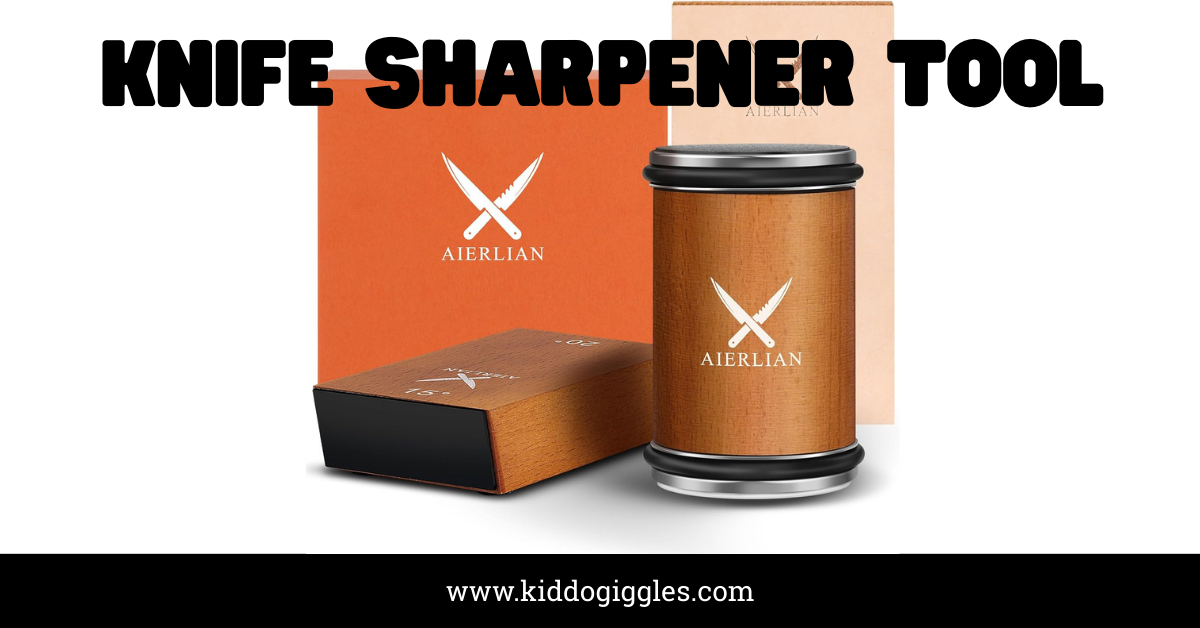
Recently, I tried a rolling knife sharpener tool. This one uses a magnet to hold the knife at a set angle. Then you roll a diamond disk back and forth. It felt like a bridge between the ease of a machine and the quality of a stone.
I used it on my Japanese steel knives last week. The results were impressive. It was much easier than the whetstone but gave me a cleaner edge than the electric ones. If you have nice knives but don’t want to spend months learning a new skill, this is a solid choice.
How To Tell If Your Tool Is Sharp
After sharpening, I always do the paper test. I hold a piece of printer paper and try to slice through it with just the weight of the knife. If it snags, I know I need more work on the fine grit side. If it zips through with a hiss, I am ready to cook.
Another trick I learned is the light test. Hold your knife under a bright bulb and look at the edge. If you see a bright reflection on the very tip, it means the edge is dull or rolled. A truly sharp edge is so thin it does not reflect light back at you. It should look like a dark, invisible line.
Keeping Your Edge Longer
A good knife sharpener tool is only half the battle. I learned that how I store my knives matters just as much. I used to throw them in a junk drawer. All that metal clanging together ruined my hard work in days. Now, I use a magnetic strip on the wall.
Also, watch your cutting board. Glass or stone boards will kill a sharp edge instantly. I stick to wood or soft plastic now. My knives stay sharp for weeks longer just by making that one small change. It saves me time and keeps my fingers safe.
Tips For Tool Maintenance
- Clean your sharpener after every use to remove metal dust.
- Never put your good knives in the dishwasher.
- Use a honing rod once a week to keep the edge straight.
- Always dry your whetstones completely before storing them.
- Lubricate electric sharpeners if the manual suggests it.
Final Thoughts On Choosing Your Tool
At the end of the day, the best knife sharpener tool is the one you will actually use. If a whetstone feels too scary, don’t buy one. It will just sit in your cupboard gathering dust. Start with a high-quality manual or electric model. You can always level up your skills later as you get more comfortable.
Sharpening my own tools gave me a sense of pride. I no longer struggle with tough cuts of meat or slippery onion skins. Everything in my kitchen just works better now. I hope my experience helps you find the right tool for your own home.
Frequently Asked Questions
How often should I use a knife sharpener tool?
For most home cooks, a full sharpening every three months is perfect. Use a honing rod weekly to keep the edge straight between deep cleanings.
Can I sharpen serrated bread knives at home?
Yes, but you need a specialized tapered rod. Most standard pull-through or electric sharpeners will ruin the teeth on a serrated blade.
Is water or oil better for a whetstone?
Most modern stones use water, which is cleaner and easier to manage. Only use oil if the stone is specifically labeled as an oil stone.
Does sharpening a knife wear it down?
Every time you sharpen, you remove a tiny bit of metal. Using a fine-grit tool for regular maintenance helps your knives last much longer.
Can a dull knife be more dangerous than a sharp one?
Yes, dull knives require more force and are prone to slipping. A sharp knife bites into the food easily, giving you much more control.