
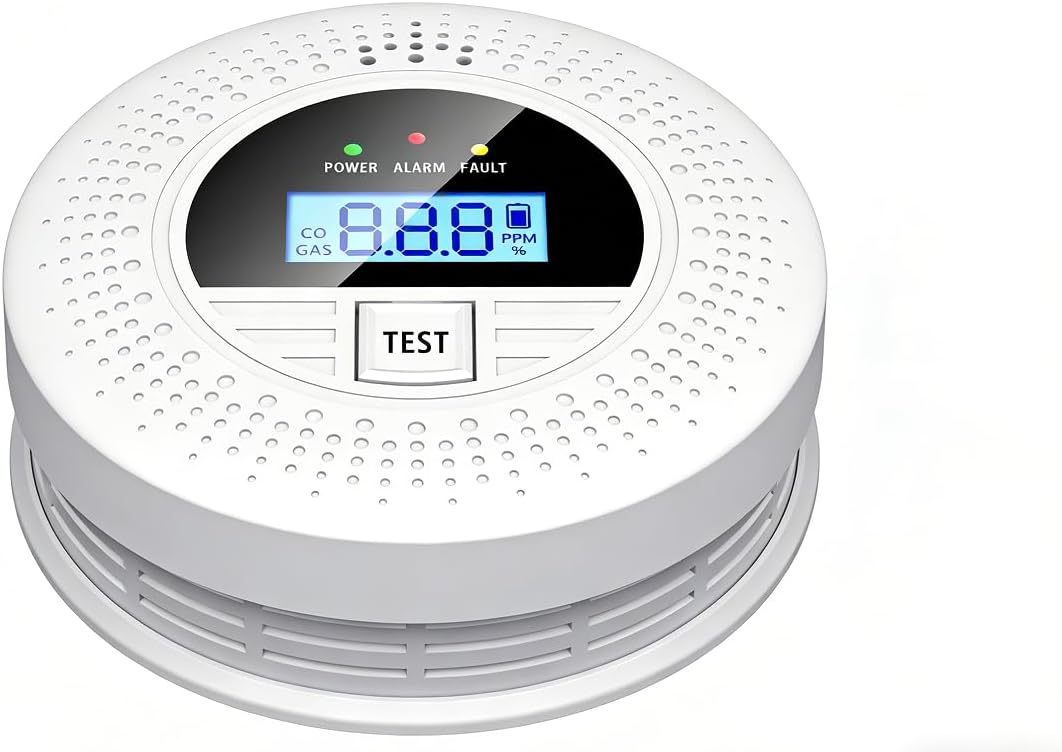
It was three in the morning when the chirping started. You know that sound. It is a sharp, high-pitched poke to the ear that says your smoke detector is dying. I spent an hour leaning off a shaky ladder in my pajamas. I was fumbling with a dusty 9V battery while the dog barked at my heels. That night, I decided I was done. I went out and bought a 10-Year Long-Lasting Battery Smoke & CO Alarm Detector.
I wanted something I could set and forget. I did not want to hunt for spare batteries or deal with false alarms from burnt toast. After using these units for a while, I have learned a lot. They are not just plastic boxes on the ceiling. They are peace of mind in a disc shape. I want to share what I found so you can skip the ladder climbs too.
<<Get Amazon For This Product>>
Why I Switched to a Sealed Lithium Battery
The biggest draw for me was the sealed battery. Most old alarms use those rectangular batteries that seem to die at the worst times. This new unit has a lithium power cell inside. It is built to last for a full decade. You do not open it. You do not change it. You just twist it onto the bracket, and it wakes up.
I noticed a huge change in my mood during daylight savings time. Usually, that is when everyone says, “Change your clock, change your battery.” Now, I just press the test button and go back to my coffee. It feels like a small win against a tedious chore. Plus, it is better for the planet since I am not tossing batteries in the trash every year.
The Dual Threat of Smoke and Carbon Monoxide
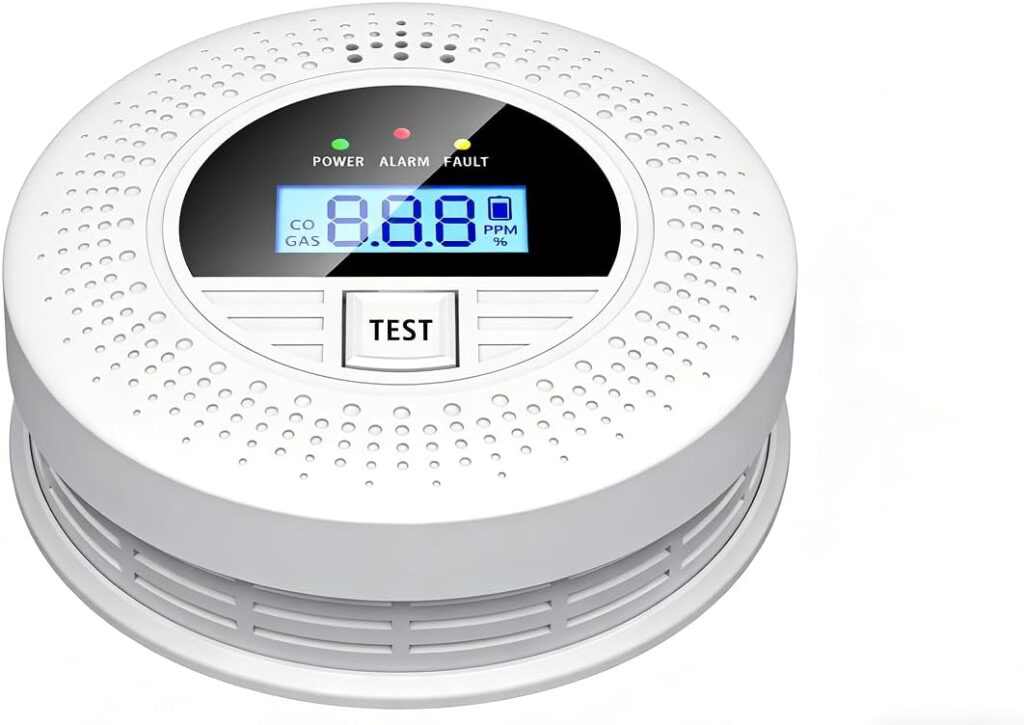
I used to have two different sensors in my hallway. One was for fire, and the other was a bulky CO detector plugged into the wall. It looked messy. This 10-Year Long-Lasting Battery Smoke & CO Alarm Detector combines both into one sleek shell. It uses two different types of tech to keep me safe.
One sensor looks for the big, hot flames. The other is an electrochemical sensor that “smells” carbon monoxide. CO is scary because you can’t see it or smell it yourself. Last winter, my old furnace started acting up. Having a reliable sensor that lasts ten years makes me feel much safer when the heat is running high.
Sensor Types and Their Jobs
| Sensor Type | What it Detects | Why it Matters |
| Photoelectric | Slow, smoldering fires | Best for couch or bedding fires |
| Ionization | Fast, flaming fires | Quick response to kitchen flare-ups |
| Electrochemical | Carbon Monoxide (CO) | Detects odorless, deadly gas leaks |
Installing the Unit Without a Drill
I am not the best with a toolkit. I usually end up with extra holes in my drywall. But putting this alarm up was very easy. Most of these units come with a simple mounting plate. You screw the plate into the ceiling, and the alarm clicks into place. The moment you twist it, the battery activates.
I put mine in the main hallway and one in the master bedroom. Experts say you should have them on every floor. I also put one near the basement stairs. The slim design looks much better than the yellowed plastic ones from the nineties. It sits flush against the white ceiling and blends right in.
Where I Put My Alarms
- The Hallway: This is the main path for air to travel through the house.
- The Bedrooms: I want to hear the siren even if I am in a deep sleep.
- The Living Room: Near the fireplace where a stray spark could start a fire.
- Near the Kitchen: But not in the kitchen to avoid false alarms from steam.
Living with the 10-Year Long-Lasting Battery Smoke & CO Alarm Detector
One thing I worried about was “nuisance alarms.” My old detector went off every time I seared a steak. This new 10-Year Long-Lasting Battery Smoke & CO Alarm Detector is much smarter. It seems to know the difference between a real fire and a bit of kitchen smoke. I have had it for months, and it has stayed quiet during dinner.
The “Hush” button is also a great feature. If it does go off by mistake, you just press one big button in the middle. It silences the noise for a few minutes so you can clear the air. No more waving a towel at the ceiling like a crazy person. It makes the whole experience much less stressful.
What Happens After Ten Years?
You might wonder how you know when the ten years are up. These units have an “end-of-life” signal. It is a different sound than the smoke alarm. It tells you the sensor is tired and needs a full replacement. You can’t just put a new battery in these. You replace the whole unit.
This might sound like a waste, but sensors actually wear out over time. Dust and humidity degrade the parts that detect smoke. By the time the battery dies, the sensor is likely less accurate anyway. It is a built-in safety check. I wrote the install date on the back of mine with a marker just to be sure.
Comparing Standard vs. 10-Year Alarms
| Feature | Standard 9V Alarm | 10-Year Sealed Alarm |
| Battery Life | 6 to 12 months | 10 years straight |
| Maintenance | High (Battery swaps) | Low (Dusting only) |
| Cost | Lower upfront | Saves money over time |
| Noise | Chirps when low | Alerts at end of life |
The Cost Value Over Time
At first, I thought $40 or $50 was a lot for a smoke alarm. The basic ones are much cheaper. But then I did the math. A good pack of 9V batteries costs about $10. If you change them every year for ten years, you spend $100 just on batteries. That is more than the cost of the smart alarm itself.
Plus, you save time. You don’t have to remember to buy batteries at the store. You don’t have to climb the ladder twice a year. For me, the time saved is worth the extra cash upfront. It is an investment in my home and my sleep. I haven’t heard a low-battery chirp in ages, and I love that.
Common Questions About Long-Life Detectors
I had a few worries before I bought mine. I wondered if the battery would really last. I also worried about the siren being loud enough. Most of these units put out about 85 decibels. That is roughly as loud as a lawnmower right next to your ear. It will definitely wake you up.
Another thing I learned is to keep them clean. Even though the battery is “set and forget,” the box can still get dusty. I take my vacuum hose and run it over the vents once a season. It keeps the sensors clear so they can “breathe.” This prevents those annoying middle-of-the-night false alarms.
Final Thoughts on Home Safety
Switching to a 10-Year Long-Lasting Battery Smoke & CO Alarm Detector was a great move. It took away a nagging house chore and made my family safer. If you are still using the old “chirping” style alarms, it might be time for an upgrade. It is a simple weekend project that lasts a decade.
I feel much better knowing my CO levels are being watched 24/7. Fire is scary, but carbon monoxide is a silent threat. Having one tool that handles both is just smart. I don’t miss my old ladder sessions at 3 AM one bit. It is one of those rare home upgrades that actually gives you time back.
FAQs
How do I test my 10-year smoke and CO alarm?
Press the test button on the front once a month. It will beep loudly to show the battery and siren work.
Can I replace the battery if it dies early?
No, these units have a sealed lithium battery. If it stops working, the whole unit must be replaced for safety.
Will steam from my shower set off the alarm?
It can if the alarm is too close to the bathroom. Keep the detector at least 10 feet away from high-moisture areas.
What does the end-of-life signal sound like?
It is usually a double chirp every minute. This is different from the loud, steady siren used for a real fire.
Does a 10-year alarm work during a power outage?
Yes, the battery is inside the unit and not connected to your home’s wires. It works even if the lights go out.