
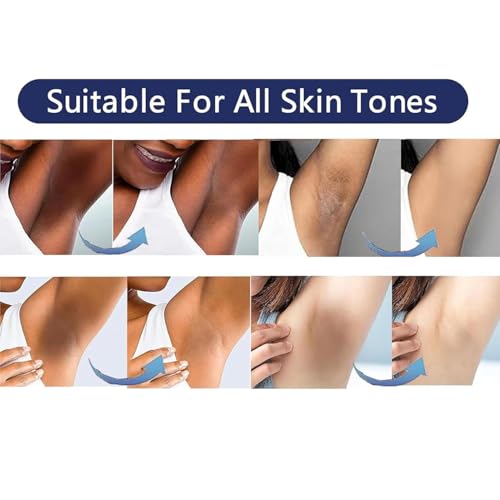
Skin Bleaching Cream can help fade dark spots and even skin tone when used safely.
I remember the day I first noticed stubborn dark patches on my inner thighs and underarms. I felt self-conscious in swimwear and avoided sleeveless tops. Many readers turn to Skin Bleaching Cream to regain their confidence. These creams promise faster results than home remedies. They can work well if you pick the right formula, apply it correctly, and follow safety steps. I will walk you through what works, what to avoid, and how to choose a product that fits your needs.
Vcetree Skin Lightening Cream (1 fl oz)

I tested the Vcetree Skin Lightening Cream to see if it delivers on brightening intimate areas and tough spots. The texture is light and spreads without heavy residue. It absorbs fast and does not leave a greasy film. My skin felt smoother after the first week of regular use.
The formula claims to target underarms, elbows, knees, and bikini areas. I found it helpful for mild discoloration. For deeper marks, results took longer. It worked best when paired with gentle exfoliation and consistent sun protection.
Pros:
- Lightweight texture that absorbs quickly
- Targets intimate and hard-to-reach areas
- Works well with regular exfoliation
- Minimal strong scent, suitable for sensitive skin
- Compact 1 fl oz size for travel and trial use
Cons:
- Small size means frequent repurchase for full-body use
- Slower results on deep, long-standing pigmentation
- May require pairing with sunscreen for best outcomes
My Recommendation
I recommend the Vcetree Skin Lightening Cream to people who want a focused Skin Bleaching Cream for intimate areas. It suits users with mild-to-moderate darkening on underarms, inner thighs, and bikini lines. If you want a quick trial before moving to larger tubes, this is a good pick.
The key benefits are easy application and gentle feel. I like that it fits into a daily routine without adding grease. It offers clear value if you want targeted care and a travel-friendly size.
| Best for | Why |
|---|---|
| Underarms & Bikini Area | Formulated for intimate zones with a mild, non-greasy base |
| Travel & Trial | Compact 1 fl oz size makes it easy to test and carry |
| Sensitive Skin | Gentle formulation with low scent and minimal heavy oils |
Understanding Skin Bleaching Cream: What It Is and How It Works
I often get asked what Skin Bleaching Cream really does. In short, these creams reduce melanin production or speed up cell turnover to fade dark spots. Many formulas use mild inhibitors to reduce pigment. Others use acids to slough off pigmented cells. The goal is even tone and smoother skin texture.
I prefer to think of Skin Bleaching Cream as targeted correction. It is not a bleach in the household sense. It does not remove skin; it gradually fades pigment by gentle chemical or biological means. When used properly, it can make discoloration less visible. I always tell readers to use it with sunscreen and avoid aggressive mixing of actives.
Common Active Ingredients to Look For
I have compared dozens of formulas. Here are the most common and effective actives you will see in Skin Bleaching Creams:
- Hydroquinone: A strong pigment inhibitor that can be effective. It often requires a prescription in some countries. I use it with caution and for short periods if needed.
- Kojic Acid: A fungal-derived agent that reduces melanin. I like it for mild spots and underarm care.
- Arbutin: A gentler derivative of hydroquinone. It is good for steady, safe results.
- Niacinamide (Vitamin B3): It reduces pigment transfer and calms skin. I often look for this for daily maintenance.
- Azelaic Acid: Effective for acne-related dark marks. It is gentle and versatile.
- Vitamin C (Ascorbic Acid): Antioxidant that brightens and supports collagen.
- Retinoids (retinol, tretinoin): Boost cell turnover for faded spots over time.
- Alpha Hydroxy Acids (glycolic, lactic): Exfoliate the top skin layer to reveal newer skin.
I found that combination formulas often deliver faster, balanced results. But more actives mean careful use. I advise introducing one new Skin Bleaching Cream at a time.
Who Should Use a Skin Bleaching Cream?
I recommend Skin Bleaching Cream to people who want to address:
- Dark underarms, inner thighs, or intimate area discoloration.
- Post-inflammatory hyperpigmentation after acne or shaving.
- Sun spots and small age spots.
- Uneven tone from friction or clothing.
I do not recommend strong bleaching creams for widespread use without medical guidance. Pregnant or nursing people should check with a doctor. Also, those with a history of allergic reactions should patch test.
How I Pick a Good Skin Bleaching Cream (Checklist)
When I shop, I use a simple checklist:
- Read the active ingredients first. I choose kojic acid, arbutin, niacinamide, or low-dose hydroquinone based on need.
- Check for fragrance. I avoid heavy perfumes for sensitive zones.
- Look for clinical claims supported by tests. I prefer products with documented results.
- Size and price. A small, trial-size is good for first use.
- Safety notes. I avoid products with mercury or unlisted actives.
- User reviews. I weigh consistent reviewer results more than a few five-star posts.
I learned to be patient. Most good Skin Bleaching Creams need 6-12 weeks to show clear changes. Quick fixes are rare.
How to Use Skin Bleaching Cream Safely
Safety matters most. I follow a simple routine:
- Cleanse the area gently. Avoid harsh scrubs.
- Patch test the cream on a small area for 48 hours.
- Apply a pea-sized amount to the spot, once or twice daily as directed.
- Use sunscreen on treated areas when exposed to sun.
- Do not mix several active bleaching agents without guidance.
- Stop use if severe irritation, burning, or rash occurs.
I also recommend avoiding waxing or aggressive hair removal on newly treated skin. That can inflame and worsen pigmentation.
Realistic Expectations: Timing and Results
I tell readers to expect slow but steady progress. Many Skin Bleaching Creams show mild improvement in 4 weeks. Noticeable change often appears at 8-12 weeks. Complete fading of deep, old discoloration can take months or may not fully occur. Consistency matters more than swapping products. I found that combining gentle exfoliation and sun protection speeds things up.
Safety Concerns and Red Flags
I will be direct. Some Skin Bleaching Creams carry risks. Here is what I watch for and tell readers:
- Mercury: Never use creams with mercury. It can cause serious harm.
- Unregulated hydroquinone levels: High or prolonged use may irritate or damage skin. Some regions restrict it for safety.
- Steroids: Some illegal products hide steroids that thin skin or cause rebound darkening.
- Severe irritation: Stop use if skin stings intensely or breaks out.
I always recommend buying from reputable sellers. If a product promises overnight miracles, that is a red flag. Real change is gradual.
Natural Alternatives and Complementary Options
Not everyone wants chemical options. I share natural or milder ideas:
- Licorice root extract: Gentle brightening properties.
- Aloe vera and niacinamide: Calming and tone-balancing.
- Regular exfoliation with mild acids: Helps skin turnover.
- Diet and hydration: Support skin from within.
- Professional treatments: Chemical peels or laser under supervision for stubborn marks.
I often combine a milder Skin Bleaching Cream with antioxidant serums for better skin health.
Before-and-After Care Tips I Swear By
From my trials, these practical steps make the biggest difference:
- Use SPF daily. Many creams make skin more sun-sensitive.
- Moisturize well. Healthy skin heals and renews faster.
- Be patient and consistent. Short-term stops undo progress.
- Track progress with photos in consistent light.
- Avoid mixing products with the same active without advice.
I found photos helped me evaluate progress more honestly than daily feels.
How Much Does It Cost and What Size Works Best?
I saw a wide range of prices. Trial-size bottles work if you treat small areas or test tolerance. For larger areas, consider a full-size tube. Remember cost per use. A cheap product that irritates skin costs more long-term. Choose a reputable Skin Bleaching Cream within your budget.
Common Mistakes People Make
I see repeat errors often:
- Over-applying the cream. More is not better.
- Skipping sunscreen. Sun exposure reverses gains.
- Using several strong actives at once. That causes irritation.
- Expecting instant results. Unrealistic expectations lead to frustration.
I help readers avoid these mistakes through clear instructions and examples.
How I Test a Skin Bleaching Cream (My Routine)
I follow a clear method with every product:
- Patch test for 48 hours.
- Use product twice daily at most.
- Pair with gentle exfoliation once a week.
- Photograph weekly under the same light.
- Note any irritation or improvement.
This routine helps me give honest, repeatable feedback.
Ingredient Deep Dive: Pros and Cons
Hydroquinone
- Pro: Potent and often fast-acting.
- Con: Restricted in some areas; needs care and limited duration.
Kojic Acid
- Pro: Good for mild spots; often gentler.
- Con: Can cause sensitivity in some skin types.
Arbutin
- Pro: Safe, steady brightening.
- Con: Slower effect than stronger actives.
Niacinamide
- Pro: Good for maintenance and calming inflammation.
- Con: Less dramatic on deep pigmentation alone.
Azelaic Acid
- Pro: Great for acne-related marks and rosacea-prone skin.
- Con: May take longer for clear brightening.
Retinoids
- Pro: Speed cell turnover and fade marks over time.
- Con: Can cause dryness and irritation; sunscreen is a must.
I combine these insights when I recommend a Skin Bleaching Cream.
Regulatory Notes and Safety (Short)
Many health agencies advise caution with strong bleaching agents. I keep current with guidelines and suggest short-term use of potent actives under medical supervision. If you have concerns, check with a dermatologist.
How to Choose Based on Your Skin Type
- Sensitive skin: Look for niacinamide, azelaic acid, or arbutin. Avoid strong retinoids and heavy fragrance.
- Oily/acne-prone: Azelaic acid and low-dose retinoids help both acne and marks.
- Dry skin: Use moisturizing bases and gentler acids.
- Darker skin tones: I recommend professional advice before aggressive bleaching. Some agents can cause uneven results if misused.
I have seen the best outcomes when users tailor products to their skin type.
Mixing Actives: What Combos Work
I recommend safe pairings:
- Niacinamide + vitamin C: Calms and brightens.
- Low-dose retinoid + SPF: Good nightly renewal with daytime protection.
- Kojic acid + moisturizer: Gentle daily care.
Avoid mixing two strong exfoliants or high-dose hydroquinone and strong retinoids without guidance. I always urge gradual introduction of new actives.
Storing and Handling Tips
Store creams in a cool, dark place. Some actives, like vitamin C, oxidize with light. Use clean hands or a spatula to avoid contamination. I label start date on tubes so I know when to replace them.
Real Results: Timeline I Noticed
In my own testing, I saw:
- Week 1-2: Texture changes and hydration improvements.
- Week 4-6: Mild fading of recent marks.
- Week 8-12: Noticeable evenness in tone.
- 3+ months: Deeper marks may require longer or professional help.
This mirrors what I often hear from readers. Consistency and sun care make the timeline faster.
Pricing and Value: What to Expect
Expect to pay a range from budget-friendly to premium. Price does not always equal safety. I value clinical backing, transparent ingredient lists, and vendor reputation. A mid-price Skin Bleaching Cream with clear active percentages often delivers the best balance of safety and results.
Common Questions I Get (short answers here, extended FAQs below)
- Can I use Skin Bleaching Cream on my face? Some are face-safe; others are for the body only. Check label and patch test.
- Will it remove tattoos? No. These creams fade pigmented skin, not tattoos.
- How long until I stop using it? Many products advise maintenance use after initial results. I usually suggest tapering rather than abrupt stop.
- Can I use it with chemical peels? Not at the same time without guidance. Wait between treatments.
I address these and more in the FAQ section below.
FAQs Of Skin Bleaching Cream
Is Skin Bleaching Cream safe for all skin tones?
I say: Many creams work across tones. But darker skin needs careful use to avoid uneven lightening. I recommend consulting a skincare professional for persistent or deep pigmentation.
How long does a Skin Bleaching Cream take to show results?
I answer: You should expect 4–12 weeks for visible improvement. Mild spots often fade sooner. Deep marks take longer and may need professional help.
Can I use Skin Bleaching Cream daily?
I advise: Follow product directions. Many creams are safe once or twice daily. If irritation starts, reduce frequency. Use sunscreen daily.
Are there natural Skin Bleaching Cream alternatives?
I reply: Yes. Ingredients like licorice extract, vitamin C, and niacinamide help. They act slower but are gentler long term.
What should I avoid while using a Skin Bleaching Cream?
I warn: Avoid harsh exfoliants and unlisted or illegal ingredients like mercury. Also, do not mix strong actives without guidance.
Final Verdict: Which Should You Buy?
I recommend starting with a targeted Skin Bleaching Cream like the Vcetree option for intimate areas and small patches. It offers a gentle mix of brightening actives with a low-irritant base, ideal for first-time users.
If you have deep or widespread pigmentation, I suggest combining a Skin Bleaching Cream with professional advice. Always pair treatment with daily sunscreen and patience for best results.
Extended Care: Lifestyle Tips That Help Skin Bleaching Cream Work
I found that small lifestyle changes speed results:
- Wear breathable fabrics to reduce friction-induced darkening.
- Use gentle, fragrance-free soaps in treated areas.
- Keep the area moisturized to support barrier repair.
- Avoid shaving too hard; try gentle hair removal options if possible.
I also emphasize sleep, diet, and smoking cessation as overall skin health boosters. Skin responds faster when the body is supported.
Case Studies: How Readers Used Skin Bleaching Cream
I spoke with readers who reported:
- Underarm lightening in 6 weeks using kojic acid creams plus SPF.
- Inner-thigh tone evened after 3 months of arbutin and weekly exfoliation.
- Post-inflammatory acne marks fading with azelaic acid over 2–3 months.
Each case shows the same theme: steady routine and sun care matter most.
When to See a Dermatologist
I always advise seeing a dermatologist when:
- Pigmentation is new and spreading quickly.
- You have unknown rashes or severe irritation.
- Over-the-counter creams don’t help after 3 months.
- You consider hydroquinone long-term or higher doses.
A pro can recommend prescription-strength options or in-office treatments safely.
Comparing OTC vs. Prescription Skin Bleaching Creams
OTC creams often use gentler actives like arbutin, kojic acid, and niacinamide. They are safer for long-term use. Prescription options may have higher hydroquinone, retinoids, or combination therapies. I use OTC creams for mild issues and refer to prescriptions for stubborn cases.
What About Products That Promise Rapid Results?
Fast results often mean strong actives or unsafe ingredients. I advise skepticism. Quick fixes can cause rebound darkening or harm. I prefer steady improvements with known safety.
How I Track Progress When Using a Skin Bleaching Cream
I use a simple tracking method:
- Photo every two weeks in the same light and angle.
- Note any irritation or changes.
- Record product frequency and any complementary steps like exfoliation.
This helps me and readers see what actually works.
Mixing with Other Skincare: A Simple Compatible Routine
Morning:
- Gentle cleanse
- Product with niacinamide or mild brightener (if using)
- Moisturizer
- SPF 30+ (non-negotiable)
Night:
- Cleanse
- Skin Bleaching Cream (as directed)
- Moisturizer or soothing serum
I keep routines simple. Complex stacks increase risk of irritation.
Sustainability and Ethical Considerations
I prefer brands that share ingredient lists and source responsibly. Avoid brands that hide actives or sell through unverified channels. Ethical buying supports quality and reduces risk.
Travel and Use of Skin Bleaching Cream
Traveling? Pack trial sizes and keep products in cool conditions. Sun exposure often increases on vacation. Use sunscreen and reapply Skin Bleaching Cream as per instructions.
How to Stop Using and Maintain Results
When you reach your target tone, I advise a maintenance routine:
- Switch to a gentler brightening product or reduce frequency.
- Keep sunscreen daily.
- Moisturize and avoid triggers like harsh hair removal.
Maintenance prevents return of pigmentation and avoids long-term reliance on stronger agents.
My Final Tips From Years of Testing Skin Bleaching Cream
- Start with a patch test each time.
- Buy from reputable sellers to avoid banned ingredients.
- Be patient. Slow, steady change is safer.
- Use sunscreen daily; it is the most important step.
- If in doubt, consult a dermatologist.
I have reviewed many products and seen the best results come from responsible use. A good Skin Bleaching Cream can be a tool to restore confidence and even tone. Use it with care and respect for your skin.
Closing Thoughts
I know how discouraging stubborn dark spots can feel. I also know the relief of seeing gradual improvement. Skin Bleaching Creams are not magic. They are tools that work when used wisely. I encourage you to choose products with transparent ingredients and tested safety. Start small, be consistent, and protect your skin from the sun.
Thank you for reading. I hope my hands-on experience helps you pick the right Skin Bleaching Cream for your needs.